Contact: +916203704116 / +919122402747 | Email: info@azizwritingsolutions.com

7 Daily Habits That Improve Mental Health Naturally
Subtitle: Simple routines backed by science to reduce stress and support emotional well-being
Dr. Kamal Ahmad (PhD.)
5/8/20247 min read


BACKGROUND
Mental health forms the way you reason, feel and operate in your day-to-day life. It affects your relationship response, stress, sleep and decision making. There is a fallacy that only therapy or medication can help a person to be mentally healthy. It is proven that daily habits are significant. The repetition of small actions can normalize the state of brain chemistry, relax the nervous system, and balance emotions.
The way of life in the contemporary world destroys natural patterns. The disruption of sleep, excessive screen time, improper schedule of eating, and lack of exercise enhance stress and emotional burnout. Such patterns increase the chances of burnout, low mood, and anxiety with time. Psychological, neuroscience, and behavioral medical studies prove that routine is predictable and thus restores sanity. They are beneficial to hormones that affect mood and resilience like cortisol and serotonin.
The blog is dedicated to some easy everyday routine practices that will enhance mental health. All the habits are feasible and inexpensive. Every habit is fitting in a normal day. Such practices can be used to alleviate stress and build emotional resilience, as well as promote long-term natural wellbeing. You do not need perfection. You need consistency. These habits built daily have a solid ground towards improving mental health and a relaxed mind.
Habit 1. Wake up at a fixed time daily
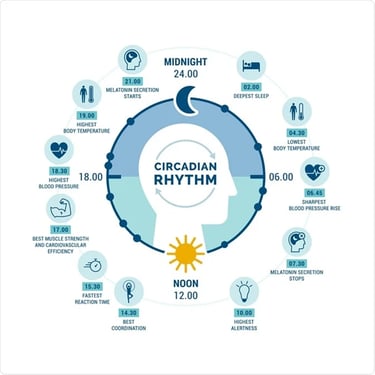
Predictability is the way your brain functions. The internal biological clock is determined by a set wake up time. Through this clock, the quality of sleep, release of hormones and emotional stability during the day is regulated.
Scientific evidence
Research indicates that the circadian rhythm is disturbed by the abnormal wake up time. This interference enhances emotions and cortisol. Individuals who wake up at the same times note reduced anxiety, improved mood and concentration.
The importance of this habit to mental health.
Constant wakefulness time enhances balance in serotonin. It reduces morning stress. It enhances the quality of sleep at night. The more one can sleep better, the more one may be able to control their emotions in their day.
What you should do
Rise early in the morning with the maximum deviation of 30 minutes.
Same schedule in the weekends.
Wake up and step out of bed.
Immediately after waking up, expose yourself to the natural light.
Common mistakes to avoid
Sleeping in on weekends.
Repeated snoozing of alarms.
Spending your time in bed on your phone.
The following are mental health benefits which you would notice.
Reduced morning fatigue.
Better mood stability.
Improved concentration.
Reduced stressful irritability.
This one habit is the basis of all the mental health routines. Once you are used to the time of waking up, then your brain feels secure and controlled.
Habit 2. Get morning sunlight exposure
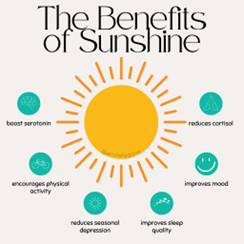
Morning sunlight is a powerful natural regulator of mental health. Light entering the eyes sends signals to the brain that reset your internal clock. This process improves alertness, mood, and stress control.
Scientific evidence
Research shows that morning light suppresses melatonin and supports serotonin activity. People who receive adequate early daylight report lower stress levels and fewer depressive symptoms. Light exposure also improves sleep quality at night, which directly supports emotional health.
Why this habit matters for mental health
Morning sunlight aligns your circadian rhythm. It reduces daytime sleepiness. It stabilizes mood and improves focus. Regular light exposure also supports vitamin D synthesis, which links with emotional well-being.
What you should do
Go outdoors within one hour of waking.
Spend 10 to 20 minutes in natural daylight.
Keep your eyes open and face the light indirectly.
Avoid sunglasses if it is safe.
Common mistakes to avoid
Staying all morning indoors.
Relying only on artificial light.
Using phones instead of looking outside.
Mental health benefits you will notice
Better morning energy.
Reduced stress reactivity.
Improved mood stability.
Easier sleep onset at night.
This habit works best when combined with a fixed wake-up time. Together, they create a strong foundation for natural mental wellness.
Habit 3. Practice slow breathing daily
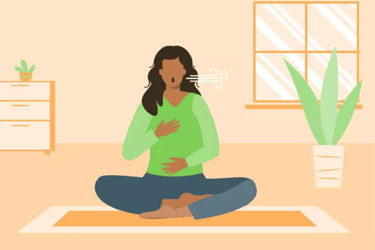
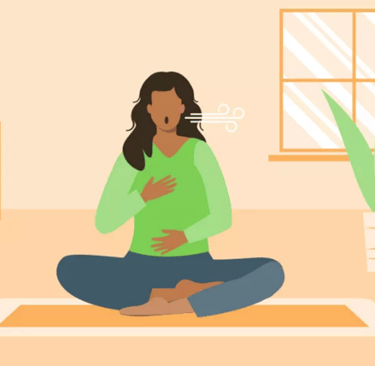
Breathing directly controls your nervous system. Slow breathing sends a safety signal to the brain. This signal reduces stress and emotional overload within minutes.
Scientific evidence
Research indicates that slow breathing stimulates the parasympathetic nervous system. Breathing at a rate of around six breaths per minute lowers cortisol levels and heart rate. It also improves emotional regulation and stress tolerance.
Why this habit matters for mental health
Stress often keeps the body in a constant alert state. Slow breathing shifts the body from alert to calm. This shift reduces anxiety symptoms and improves emotional stability.
What you should do
Sit comfortably with a straight posture.
Inhale through your nose for four seconds.
Exhale slowly through your nose for six seconds.
Continue for five minutes.
Practice once or twice daily.
Common mistakes to avoid
Breathing too fast.
Holding your breath forcefully.
Practicing only during extreme stress.
Mental health benefits you will notice
Immediate stress reduction.
Lower anxiety levels.
Improved focus.
Better emotional control during challenging situations.
This habit works best when practiced daily, not only during panic or stress. Regular slow breathing trains your nervous system to stay calm throughout the day.
Habit 4. Eat regular meals with protein
What you eat and when you eat affects your mental health. Your brain depends on a steady supply of nutrients and glucose. Irregular meals disturb this balance and increase stress responses.
Scientific evidence
Studies show that fluctuating blood sugar levels increase irritability, fatigue, and low mood. Protein intake supports the production of neurotransmitters such as dopamine and serotonin, which regulate motivation and emotional stability.
Why this habit matters for mental health
Skipping meals or eating erratically activates stress hormones. Regular meals keep blood sugar stable. Protein slows glucose absorption and supports brain chemistry. This combination improves emotional control and mental clarity.
What you should do
Eat meals at consistent times each day.
Avoid skipping breakfast.
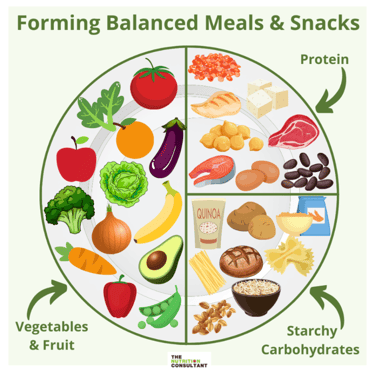
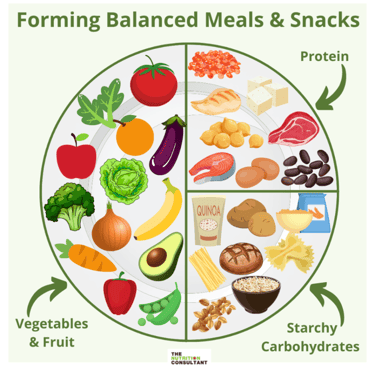
Include a protein source in every meal.
Examples include eggs, lentils, beans, dairy, nuts, or seeds.
Common mistakes to avoid
Long gaps between meals.
Relying only on refined carbohydrates.
Using sugary snacks to manage stress.
Mental health benefits you will notice
Stable energy throughout the day.
Reduced mood swings.
Better concentration.
Lower stress-related irritability.
This habit strengthens the gut-brain connection. When your meals are regular and protein-rich, your brain receives a steady signal of safety and balance.
Habit 5. Move your body every day
Daily movement is one of the strongest natural tools for mental health. Your brain responds quickly to physical activity, even when the activity is light.
Scientific evidence
Research shows that regular movement increases endorphins and brain derived neurotrophic factor. These chemicals improve mood, reduce stress, and support emotional resilience. Even 20 to 30 minutes of walking shows measurable benefits.
Why this habit matters for mental health
A sedentary routine keeps stress hormones elevated. Movement lowers cortisol and improves blood flow to the brain. It also helps regulate sleep and emotional responses.
What you should do
Walk for 20 to 30 minutes every day.
Choose a comfortable pace.
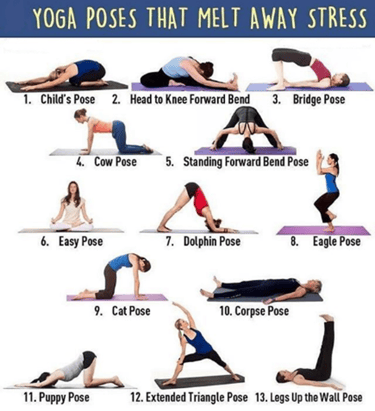
Stretch or practice light yoga on low energy days.
Stand up and move every hour if you sit for long periods.
Common mistakes to avoid
Waiting for motivation.
Believing only intense workouts help.
Skipping movement on busy days.
Mental health benefits you will notice
Reduced stress levels.
Improved sleep quality.
Better mood stability.
Lower symptoms of mild anxiety and low mood.
This habit works best when it feels sustainable. Consistent daily movement sends a clear signal of balance and safety to your brain.
Habit 6. Spend time in natural environments
Natural environments calm the brain. They reduce sensory overload created by noise, traffic, and screens. Even short exposure helps restore mental balance.
Scientific evidence
Studies show that time spent in green spaces lowers cortisol levels. Brain imaging research shows reduced activity in areas linked with stress and rumination after nature exposure. These effects appear within minutes.
Why this habit matters for mental health
Urban settings keep the nervous system alert. Nature shifts the body into a calmer state. This shift improves emotional clarity and reduces mental fatigue.
What you should do
Spend at least 10 to 20 minutes in a natural setting daily.
Walk in a park or garden.
Sit under trees or near plants.
Observe sounds, colors, and movement without distractions.
Common mistakes to avoid
Using phones while in nature.
Rushing through the experience.
Limiting nature time only to weekends.
Mental health benefits you will notice
Improved mood.
Reduced mental exhaustion.
Lower stress reactivity.
Clearer thinking.
This habit works even in small doses. Regular contact with nature provides your brain with a consistent signal of safety and calm.
Habit 7. Write daily for emotional processing
Writing helps your brain process emotions. It turns vague stress into clear thoughts. This reduces mental overload and improves emotional control.
Scientific evidence
Research on expressive writing shows reduced anxiety and stress levels. Studies also report improved emotional regulation and better coping with daily stressors after short daily writing sessions.
Why this habit matters for mental health
Unprocessed thoughts stay active in the brain. Writing externalizes them. This lowers emotional intensity and improves clarity. It also reduces rumination.
What you should do
Write for five minutes once daily.
Use pen and paper or a simple notes app.
Focus on feelings, events, or worries.
Write freely without editing.
Common mistakes to avoid
Trying to write perfectly.
Judging your thoughts.
Skipping days due to lack of motivation.
Mental health benefits you will notice
Reduced mental clutter.
Improved self-awareness.
Lower stress levels.
Better emotional balance.
This habit works best when done consistently. Short daily writing trains your brain to process emotions instead of suppressing them.
Conclusion
Mental health improves through what you practice every day. Small habits shape how your brain responds to stress, emotions, and uncertainty. Regular wake-up time, morning sunlight, slow breathing, balanced meals, movement, nature exposure, writing, reduced screen use, social connection, and gratitude work together to calm the nervous system.
These habits send clear signals of safety and stability to your brain. Over time, they reduce stress reactivity and improve emotional balance. You do not need to follow all habits perfectly. Consistency matters more than intensity.
Start with one or two habits. Build them into your routine. Let them become automatic. When daily actions support your mind, mental well-being becomes sustainable and natural.
Thank you for reading...





Phone
info@azizwritingsolutions.com
+91 6203704116
+91 9122402747
© 2026. All rights reserved. Aziz Writing Solutions


Contact us